
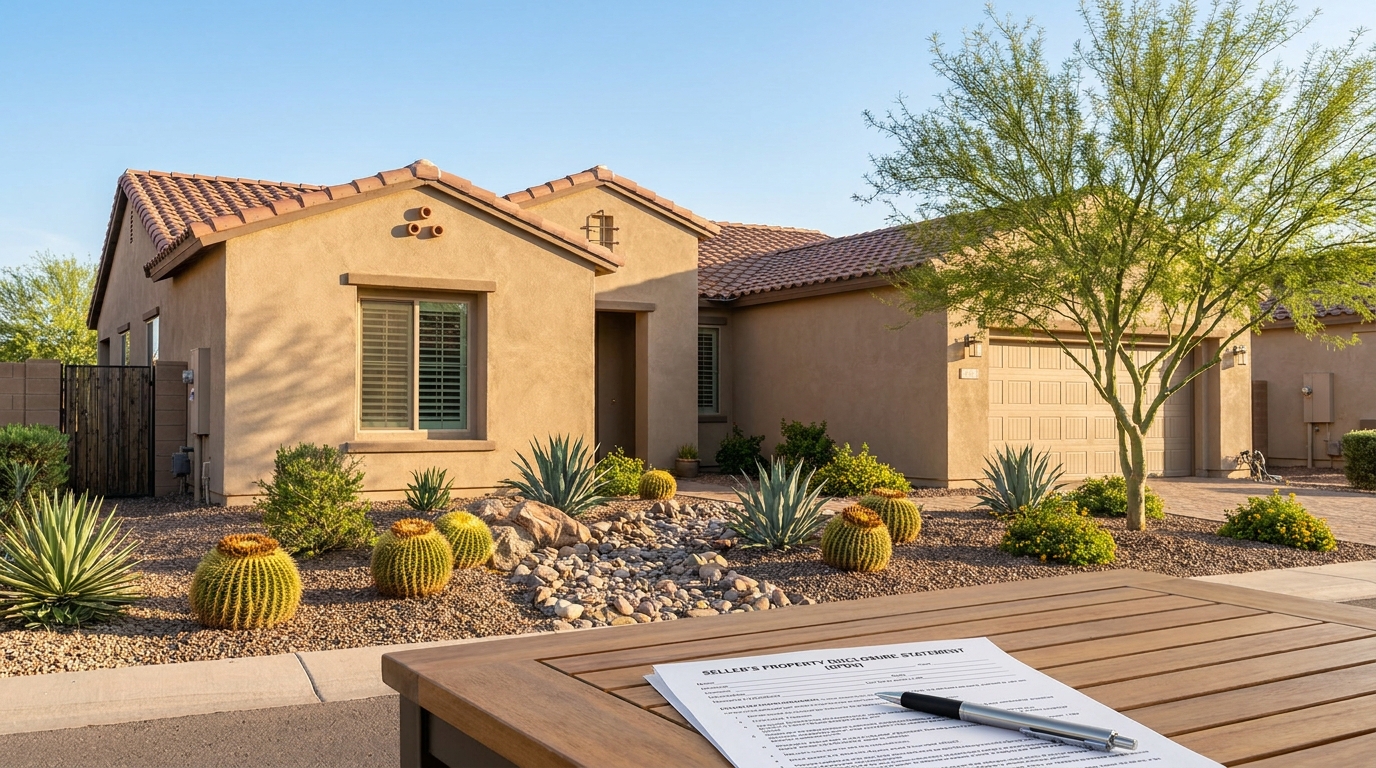
Selling a home is one of the biggest financial transactions many people undertake. It’s a journey filled with excitement, anticipation, and often, a fair share of paperwork. For homeowners in the sunny state of Arizona, one of the most critical pieces of that paperwork—and a cornerstone of a smooth, legal sale—is seller disclosure. This isn't just a formality; it's a legal obligation designed to protect both buyers and sellers.
At USHomeBuyers.com, we understand that navigating the complexities of real estate law, especially seller disclosure, can be daunting. While we offer a simplified way to sell your home for cash, we believe every Arizona homeowner should be well-informed about their responsibilities. This comprehensive guide will walk you through what Arizona law requires you to tell potential buyers, why it matters, and what happens if you don't.
What is Seller Disclosure in Arizona?
Seller disclosure refers to the legal requirement for property owners to reveal known material defects about their home and property to prospective buyers. In essence, it's about transparency. The goal is to ensure that buyers are fully aware of any significant issues that could affect the property's value, desirability, or safety before they commit to a purchase.
Arizona is a "Buyer Beware" state in some aspects, meaning buyers are expected to conduct their due diligence. However, this principle doesn't absolve sellers of their disclosure obligations. State law and common law principles dictate that sellers must disclose known material facts that could impact a buyer's decision. This means you can't simply stay silent about problems you're aware of.
Why Seller Disclosure Matters
- Legal Protection: Proper disclosure protects sellers from future lawsuits alleging misrepresentation or fraud. If you've disclosed a defect, the buyer generally cannot sue you for it later.
- Buyer Confidence: Transparency builds trust. Buyers are more likely to proceed with an offer and feel confident in their purchase if they believe they have all the relevant information.
- Smoother Transactions: Addressing potential issues upfront can lead to fewer surprises and renegotiations during the inspection period, resulting in a more straightforward closing process.
- Ethical Responsibility: Beyond legal requirements, most sellers want to do right by their buyers, ensuring they're making an informed decision.
The Arizona Seller's Property Disclosure Statement (SPDS)
The primary tool for seller disclosure in Arizona is the Seller's Property Disclosure Statement, commonly referred to as the SPDS. While not explicitly mandated by state statute, the Arizona Association of REALTORS® (AAR) SPDS form is almost universally used in traditional real estate transactions across the state. Lenders and title companies often require it, and most purchase contracts make its completion a condition of sale.
The AAR SPDS is an incredibly detailed, multi-page document that covers nearly every aspect of your property. It requires you to answer dozens of questions about the property's condition, history, and various features. It's designed to elicit comprehensive information about any known material facts that might influence a buyer's decision.
Completing the SPDS requires honesty, diligence, and a good memory. You are expected to disclose facts you know, not necessarily latent defects you couldn't reasonably be aware of. However, if you have any doubt about whether to disclose something, it's almost always better to err on the side of disclosure.
Key Areas of Disclosure in Arizona's SPDS
The SPDS broadly categorizes disclosures into several sections. Here's a breakdown of what you can expect to cover:
1. Property Information & Ownership
- Basic Details: Age of property, square footage, whether it's in a flood zone.
- Ownership History: How long you've owned the property, any past insurance claims made.
- Additions/Remodels: Details of any major improvements, renovations, or additions, including whether proper permits were obtained.
2. Structural & Mechanical Systems
- Roof: Age, leaks (past or present), repairs, warranties.
- Foundation/Slab: Cracks, settling, water penetration, repairs.
- Walls/Ceilings: Cracks, water damage, drywall issues.
- Plumbing: Leaks, pipe materials, water heater age and condition, sewer or septic system details.
- Electrical: Known issues, outdated wiring, panel upgrades.
- Heating & Cooling (HVAC): Age of units, repairs, operational issues.
- Appliances: Condition of included appliances (oven, dishwasher, microwave, etc.).
3. Environmental & Health Hazards
- Mold: Any history of mold growth, remediation efforts.
- Pest Infestations: Termites, scorpions, rodents, other pests (past or present infestations, treatments).
- Asbestos: Known presence of asbestos-containing materials.
- Lead-Based Paint: Required disclosure for homes built before 1978.
- Radon: Known levels or testing results.
- Soil Issues: Expansive soils, erosion, stability concerns.
- Hazardous Substances: Underground storage tanks, contaminated soil or water.
4. Utilities & Services
- Water Source: City water, well, or other.
- Sewer System: Public sewer, septic tank, or other.
- Gas/Electric: Utility providers, any known service issues.
- Internet/Cable: Available services and providers.
5. Legal, Financial & Neighborhood Information
- Homeowners Association (HOA): Membership requirements, fees, CC&Rs (Covenants, Conditions, and Restrictions), any known violations.
- Liens & Encumbrances: Any outstanding loans, judgments, or other claims against the property.
- Boundary Disputes: Any disagreements with neighbors over property lines.
- Easements: Known rights of way across the property.
- Proposed Development: Awareness of any nearby construction, zoning changes, or road projects that could impact the property.
- Nuisances: Persistent noise, odors, or other annoyances from neighbors or surrounding areas.
- Litigation: Any pending or past lawsuits related to the property.
This list is not exhaustive, but it gives you a clear picture of the depth of information required. Remember, the key is to disclose any information that a reasonable buyer would consider important when making a purchasing decision.
Get a Cash Offer in 24 Hours
No repairs, no fees, no hassle. Close in as little as 7 days.
Get My Free Offer →"As Is" Sales and Disclosure
Many sellers, especially those looking for a quick and easy sale, consider selling their home "as is." This phrase often leads to a common misconception: that selling "as is" means you don't have to disclose anything. This is absolutely false in Arizona.
Selling a home "as is" means the buyer agrees to purchase the property in its current condition, without the seller being obligated to make repairs or offer credits for defects found during inspections. However, an "as is" clause does not relieve a seller of their legal duty to disclose known material defects on the SPDS. You still must inform buyers about any issues you are aware of.
The difference is in the *remedy*. If a buyer finds an issue after proper disclosure and inspection in an "as is" sale, they generally cannot demand repairs from the seller. But if a seller *knowingly conceals* a material defect, even in an "as is" sale, they can still face severe legal consequences.
Consequences of Non-Disclosure in Arizona
Failing to disclose known material defects can have serious repercussions for sellers in Arizona. The legal system takes non-disclosure very seriously, and buyers have several avenues for recourse if they discover a concealed problem after closing.
- Lawsuits for Misrepresentation or Fraud: Buyers can sue sellers for damages, claiming misrepresentation (unintentional but misleading statements) or fraud (intentional concealment). This can result in significant financial penalties, including the cost of repairs, diminished property value, and even punitive damages.
- Rescission of Contract: In some cases, a court might allow the buyer to rescind the purchase contract, effectively unwinding the sale. This means the seller would have to take the property back and return the buyer's money, plus potentially cover their legal expenses.
- Legal Fees and Court Costs: Litigation is expensive. Even if a seller ultimately prevails, the cost of defending against a lawsuit can be substantial. If they lose, they might be responsible for the buyer's legal fees as well.
- Delays and Stress: Legal disputes are lengthy, stressful, and emotionally draining. They can tie up your finances and your time for months or even years.
The bottom line is that honesty is always the best policy when it comes to seller disclosure. It’s far better to disclose a defect and potentially negotiate a lower price or offer a credit than to face a costly lawsuit down the road.
Did You Know? According to Zillow's 2023 Consumer Housing Trends Report, 70% of sellers found at least one aspect of the selling process stressful. Navigating complex disclosure requirements and potential buyer disputes can significantly contribute to this stress.
Source: ZillowWhat If You Don't Want to Deal with Disclosures and Repairs?
For many Arizona homeowners, the thought of meticulously filling out a lengthy SPDS, dealing with potential inspection issues, negotiating repairs, and risking future litigation is incredibly stressful. This is where a streamlined selling option can be a game-changer.
If you're looking to avoid the complexities of traditional disclosure requirements, extensive home preparations, and the uncertainty of a lengthy sales process, selling to a cash home buyer like USHomeBuyers.com offers a compelling alternative. As a top cash home buyer in Arizona, we specialize in purchasing properties directly from sellers, often "as is," without the need for you to complete extensive repairs or even a traditional SPDS.
While cash buyers still operate under the umbrella of good faith and would require you to disclose any *major* known material defects (e.g., a collapsed foundation), the process is significantly simplified. We conduct our own due diligence, and because we purchase properties for investment and renovation, minor known issues are typically less of a concern for us than for a traditional buyer looking for a move-in ready home.
Choosing to sell to a cash buyer means:
- No Extensive SPDS: While some basic disclosures are always part of a legal transaction, you won't typically be filling out the exhaustive AAR SPDS form.
- No Repairs Needed: We buy homes in any condition, so you don't have to worry about fixing a leaky roof or updating an old HVAC system.
- Fast Closing: Without the need for lender approvals, appraisals, or lengthy inspection periods, we can close in as little as 7 days.
- No Agent Commissions or Fees: You save thousands by not paying real estate agent commissions or hidden fees.
- Certainty: You get a firm cash offer and a guaranteed closing date, providing peace of mind.
For Arizona sellers who prioritize speed, convenience, and a straightforward transaction over maximizing every last dollar (and who want to minimize their disclosure burden), a reputable cash buyer like USHomeBuyers.com can be an ideal solution.
Arizona SPDS Checklist: Don't Miss These Critical Items!
When completing your Seller's Property Disclosure Statement, pay extra attention to these common hot-button issues:
- Past or Present Water Damage: Roof leaks, pipe bursts, flood history.
- Pest Infestations: Especially termites and scorpions.
- HVAC System Issues: Age, frequent repairs, operational problems.
- Foundation Cracks/Settling: Visible signs of structural movement.
- Unpermitted Work: Any additions or renovations done without proper city/county permits.
- HOA Violations/Disputes: Known issues with your homeowners' association or neighbors.
- Polybutylene Pipes or FPE Electrical Panels: These are known problematic systems that require specific disclosure.
When in doubt, disclose it!
Conclusion
Arizona seller disclosure is a serious legal obligation designed to ensure fair and transparent real estate transactions. While the Seller's Property Disclosure Statement (SPDS) can seem overwhelming, completing it honestly and thoroughly is your best defense against future legal issues and a cornerstone of a successful sale. Understanding what you must tell buyers is not just about compliance; it's about protecting your financial future and fostering trust.
If the traditional selling process, with its detailed disclosures, repairs, and negotiations, feels like too much to handle, remember that you have options. Cash home buyers like USHomeBuyers.com offer a simpler, faster way to sell your Arizona property, often sidestepping many of these conventional hurdles. Whether you choose a traditional path or a streamlined cash sale, being informed about your disclosure responsibilities is key to a smooth and successful home selling experience in Arizona.