
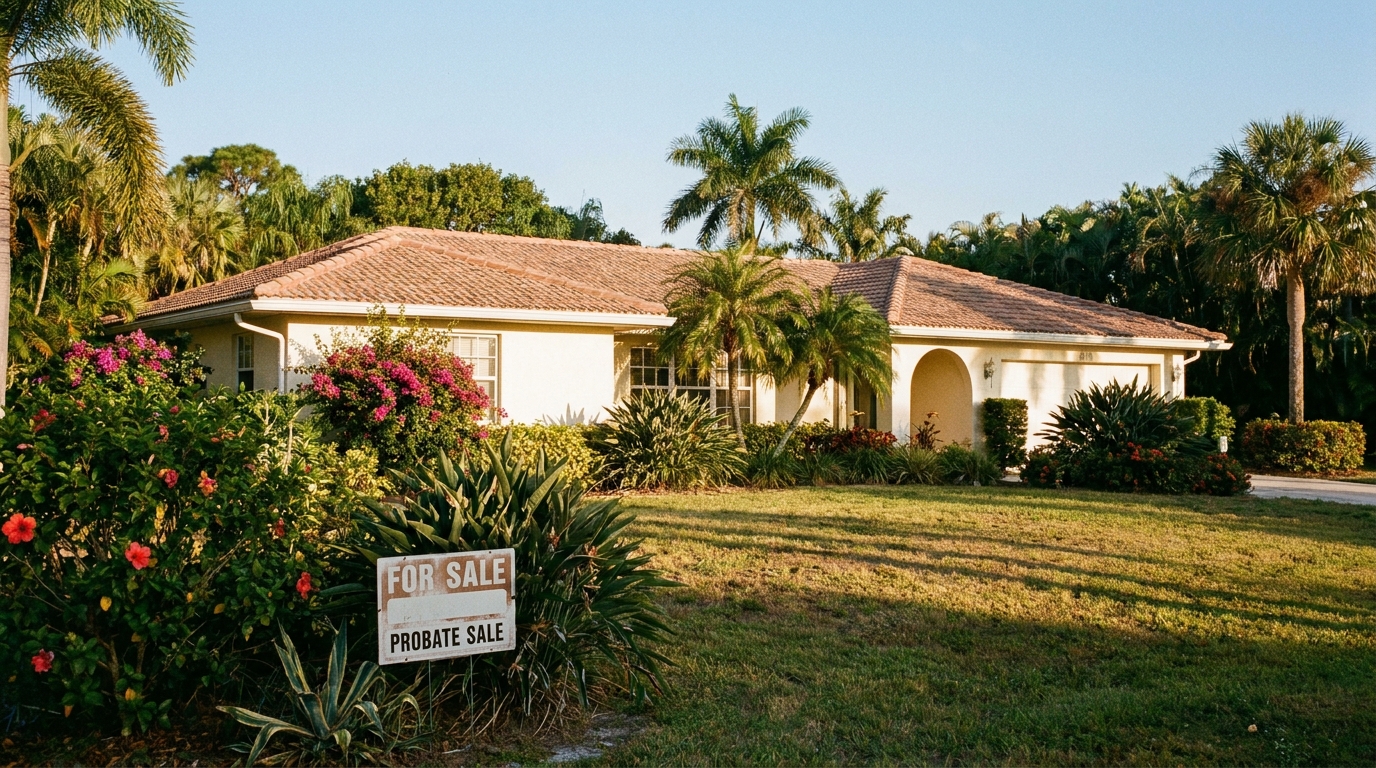
How to Sell a House During Probate in Florida
Navigating the loss of a loved one is undeniably one of life's most challenging experiences. Amidst the grief, families often find themselves faced with the complex legal process of probate, especially when the deceased owned real estate. If you’re a beneficiary or personal representative in Florida tasked with selling a house during probate, you know firsthand the layers of complexity and emotional weight involved.
This comprehensive guide from USHomeBuyers.com is designed to demystify the process, offering clear, actionable steps and insights into how to efficiently sell a house during probate in Florida. We understand the unique challenges you face and aim to provide the expertise you need to make informed decisions, ensuring a smoother transition during a difficult time.
Understanding Florida Probate and Real Estate
Probate is the legal process through which a deceased person's assets are identified, valued, debts and taxes are paid, and the remaining assets are distributed to the rightful heirs or beneficiaries. In Florida, if a deceased individual owned real estate in their name alone (without specific transfer-on-death provisions or joint ownership with rights of survivorship), that property typically must go through probate before it can be legally sold or transferred.
The primary goal of Florida probate law is to ensure that the deceased's wishes, as outlined in their will (if one exists), are honored, and that all legal and financial obligations are met. For real estate, this means establishing clear ownership and authority to sell.
The Role of the Personal Representative
At the heart of the Florida probate process is the Personal Representative (often called an Executor in other states). This individual, appointed by the court, is legally responsible for managing the estate, including its real estate. Their duties include identifying assets, paying debts, and ultimately distributing the estate property. To sell real estate during probate, the Personal Representative must have the legal authority granted by the court, which can involve specific court orders depending on the type of probate administration.
Key Steps to Selling a House During Florida Probate
Selling a house during Florida probate isn't a simple transaction; it involves a series of legal and practical steps. Here's a breakdown:
-
Step 1: Appointing the Personal Representative
The probate process officially begins when a Petition for Administration is filed with the Florida circuit court in the county where the deceased resided. If there's a will, it usually names a Personal Representative. If not, the court will appoint one, typically a family member, according to Florida law. The court issues "Letters of Administration" or "Letters Testamentary" officially granting the Personal Representative the authority to act on behalf of the estate.
-
Step 2: Understanding Florida Probate Administration Types
Florida offers different types of probate administration, which impact how real estate can be sold:
- Formal Administration: This is the most common and comprehensive type, typically used when the estate's value exceeds $75,000 or when there are complex issues. Under formal administration, the Personal Representative usually needs specific court approval to sell real estate, unless the will grants them the explicit power to sell without court order.
- Summary Administration: A quicker, simplified process for smaller estates (total assets less than $75,000, or when the deceased has been dead for more than two years). Selling real estate under summary administration usually requires a specific court order authorizing the sale.
Your probate attorney will determine the appropriate administration type for the estate.
-
Step 3: Valuing the Property
Before selling, the property's value must be formally established. This involves obtaining a professional appraisal to determine the fair market value. This appraisal is crucial for estate accounting, tax purposes, and ensuring the property is sold for an appropriate price, protecting the interests of all beneficiaries.
-
Step 4: Obtaining Court Approval for Sale (When Needed)
Unless the will specifically grants the Personal Representative the power to sell real property without court order, or if the property is being sold under a specific court order from a summary administration, you will likely need a court order to authorize the sale. This typically involves filing a "Petition to Sell Real Property" with the probate court, outlining the reasons for the sale and the proposed terms. The court will review the petition to ensure the sale is in the best interest of the estate and its beneficiaries.
-
Step 5: Marketing and Selling the Property
Once you have the legal authority to sell, you can begin marketing the property. This can be done through traditional real estate agents or by directly engaging with cash home buyers. Consider the property's condition, the desired speed of sale, and the estate's financial needs when choosing your selling strategy.
-
Step 6: Closing the Sale and Distributing Assets
After an offer is accepted and, if required, court confirmation is obtained, the sale proceeds are held by the estate. Once all other estate debts, taxes, and administrative expenses are paid, the remaining funds (including those from the property sale) are distributed to the beneficiaries according to the will or Florida intestacy laws. The Personal Representative will provide a final accounting to the court and beneficiaries before the estate is formally closed.
Common Challenges in Selling Florida Probate Property
Selling a house during probate is rarely straightforward. Here are some common hurdles:
The Emotional Burden
Dealing with a loved one's estate, especially their home, is deeply personal. The emotional toll of clearing out belongings, making decisions about a cherished family home, and managing the legal process can be overwhelming. This emotional weight can often complicate and delay practical decisions.
Property Condition and Maintenance
Probate properties often haven't been updated or maintained for years. They might require significant repairs, cleanouts, or renovations to be attractive to traditional buyers. Managing these tasks from a distance or without immediate funds can be a major challenge for the Personal Representative.
Legal and Financial Complexities
Florida probate law is specific, and missteps can lead to delays, additional costs, or even legal challenges from beneficiaries. Furthermore, the estate might face ongoing expenses like property taxes, insurance, and utilities while awaiting sale, which can drain estate funds.
Why a Cash Home Buyer Can Simplify Florida Probate Sales
Given the challenges, many Personal Representatives and beneficiaries in Florida find that selling a probate property to a cash home buyer offers a streamlined and less stressful solution. Here’s why:
- Speed: Cash buyers can close quickly, often in a matter of days or weeks, significantly reducing the lengthy probate timeline and associated carrying costs for the estate.
- As-Is Sales: Reputable cash buyers purchase properties in their current condition, meaning you don't have to worry about repairs, renovations, or even cleaning out the house. This is a huge relief when dealing with an inherited property that might need extensive work.
- No Fees or Commissions: When selling directly to a cash buyer, you typically avoid real estate agent commissions, closing costs, and other hidden fees, maximizing the estate's net proceeds.
- Certainty: Cash offers aren't contingent on financing or appraisals, providing a high degree of certainty that the sale will go through once court approval is secured.
While USHomeBuyers.com specializes in helping homeowners in Arizona with quick, hassle-free cash sales, the principles and benefits of working with a reputable cash buyer apply universally, especially when navigating complex situations like probate in Florida. We understand the probate process and can help you connect with trusted cash buyers in your area if you're in Florida, or provide a direct, fair cash offer if the property is in Arizona.
Get a Cash Offer in 24 Hours
No repairs, no fees, no hassle. Close in as little as 7 days.
Get My Free Offer →Checklist for Preparing a Probate Property for Sale
- ✓ Secure the property (change locks, ensure utilities are on).
- ✓ Remove personal belongings (or coordinate a cleanout/estate sale).
- ✓ Obtain a professional appraisal for valuation.
- ✓ Consult with a probate attorney regarding court approval for sale.
- ✓ Gather all property-related documents (deed, surveys, past tax bills).
- ✓ Consider selling "as-is" to a cash buyer to avoid repair costs.
Florida Probate Real Estate Facts
Probate in Florida, especially formal administration involving real estate, typically takes between 6 months and a year to complete, and often longer for complex cases or those requiring specific court orders for property sales. This extended timeline can mean significant ongoing costs for the estate, including property taxes, insurance, and maintenance.
Conclusion
Selling a house during probate in Florida is a multi-faceted process that demands careful attention to legal requirements, financial considerations, and emotional well-being. By understanding the steps involved, from appointing a Personal Representative to obtaining court approval and ultimately closing the sale, you can navigate this challenging period with greater confidence.
Remember, you don't have to go through this alone. Consulting with an experienced Florida probate attorney is essential to ensure compliance with all legal requirements. And if speed, convenience, and an as-is sale are priorities for the estate, exploring a cash offer can provide a viable and less stressful path forward. USHomeBuyers.com is here to offer expert insights and support, connecting you with solutions that simplify complex real estate challenges, whether you're in Arizona or need guidance for a Florida property.