
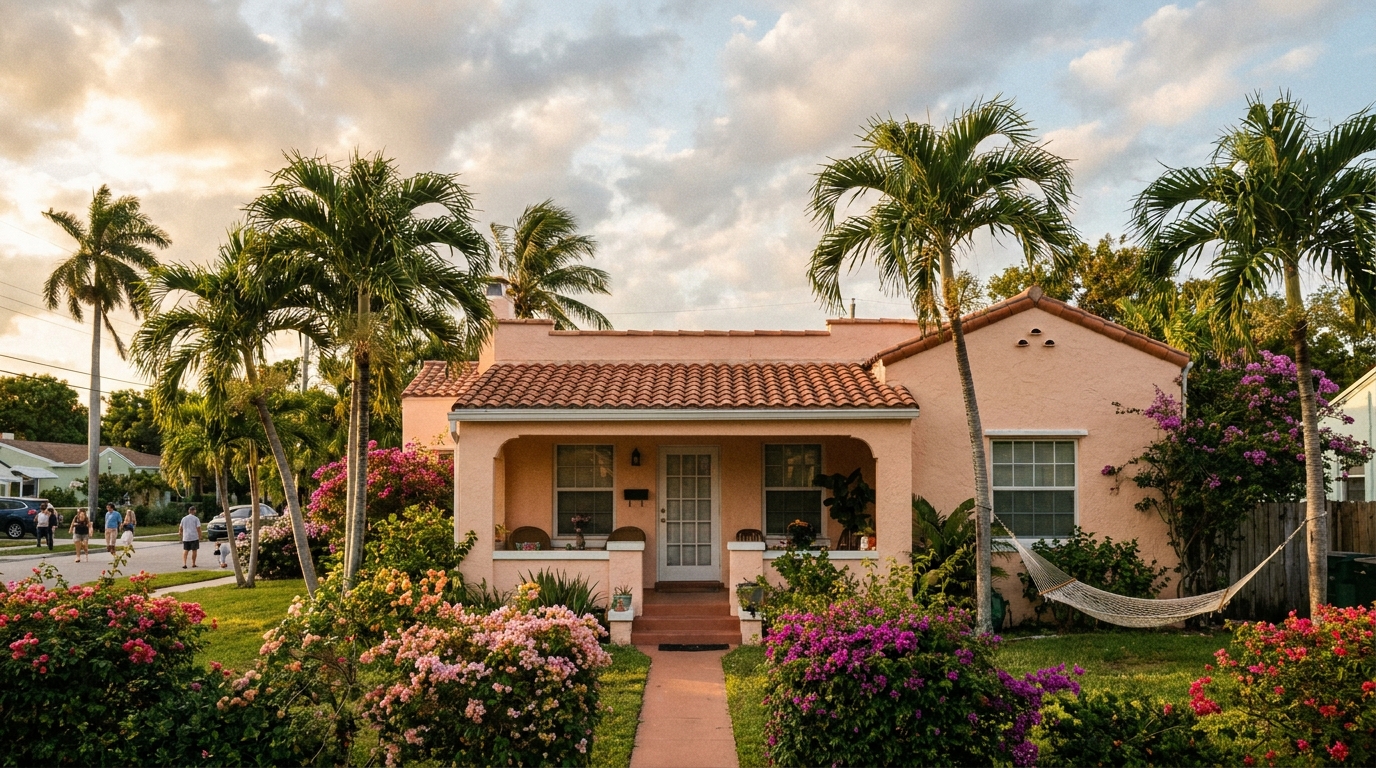
Hurricane Season and Home Sales: What Florida Sellers Should Know
Florida, the Sunshine State, offers an unparalleled lifestyle of beautiful beaches, vibrant communities, and warm weather. However, with its unique geography comes the annual reality of hurricane season. From June 1st to November 30th, homeowners across Florida turn their attention to storm preparedness, and rightly so. But what does this period mean for those looking to sell their homes?
At USHomeBuyers.com, while we specialize in providing seamless cash offers for homeowners in Arizona, we understand that real estate markets everywhere face unique challenges. For Florida sellers, hurricane season introduces a distinct set of considerations that can impact everything from buyer interest and property values to insurance policies and closing timelines. Navigating these waters requires foresight, preparation, and an understanding of how the market reacts to the threat and reality of tropical storms.
This article will delve into the multifaceted ways hurricane season can influence home sales in Florida, offering insights and strategies to help you make informed decisions, mitigate risks, and achieve a successful sale, even when the forecast looks uncertain.
Understanding Florida's Hurricane Season and Its Market Impact
Florida's hurricane season officially runs for six months, but the peak activity typically occurs from August through October. During this period, the state becomes highly vigilant, and the potential for storms can cast a long shadow over the real estate market. This isn't just about direct damage; it's also about buyer psychology, lender policies, and the complex world of property insurance.
Historically, the market can experience a temporary slowdown as prospective buyers, especially those new to the state, become more cautious. They might delay purchasing decisions, waiting until the season passes or until they can fully assess potential risks and insurance costs. This hesitation can lead to fewer showings, fewer offers, and potentially longer times on the market for sellers.
However, it's not all doom and gloom. An informed seller can proactively address many of these concerns, turning potential obstacles into opportunities for a smoother transaction. Understanding the nuances of this seasonal challenge is the first step toward a successful sale.
Buyer Behavior and Lending During Hurricane Season
During hurricane season, potential buyers in Florida often approach the market with heightened awareness and specific concerns. Their primary worries typically revolve around the safety and structural integrity of a property, the availability and cost of insurance, and the potential for delays or complications in the closing process.
- Increased Due Diligence: Buyers may request more thorough inspections, including specific assessments for wind mitigation, roof condition, and flood zone status. They might also be more inclined to negotiate on price or ask for contingencies related to storm preparedness.
- Insurance Hurdles: Securing property insurance in Florida during hurricane season can be challenging. Some insurance companies may impose moratoriums on issuing new policies or making significant changes when a storm is threatening or active in the region. This can delay or even halt a closing, as lenders require adequate insurance coverage before funding a mortgage.
- Lender Caution: Mortgage lenders are also acutely aware of hurricane risks. They will closely scrutinize a property's insurance coverage and may require specific flood insurance policies, even if the home is not in a high-risk flood zone, depending on the loan type and property location. Any delays in obtaining these policies can push back closing dates.
- Psychological Impact: For many, the thought of buying a home only to face a major storm is daunting. This psychological factor can lead to fewer competitive offers and a generally softer market, particularly in coastal areas or regions with a history of significant storm impact.
The Impact on Property Values and Market Dynamics
While a well-built, well-maintained home in a desirable area of Florida will always hold value, hurricane season can introduce temporary fluctuations in market dynamics. The immediate aftermath of a significant storm, for instance, can temporarily depress property values in affected areas due to damage, increased insurance costs, and a temporary exodus of residents.
However, Florida's market is known for its resilience. Property values often rebound as communities rebuild and new mitigation strategies are implemented. The key for sellers is to understand that during the active season, the market might shift from a strong seller's market to a more balanced one, or even a buyer's market in specific circumstances.
Sellers might observe:
- A reduction in bidding wars, even for highly desirable properties.
- Buyers taking longer to make decisions, thoroughly researching insurance and repair histories.
- Increased emphasis on homes with hurricane-resistant features or recent upgrades to meet current building codes.
Hurricane Impact on Florida Home Sales
Following Hurricane Ian in September 2022, Florida's housing market experienced significant shifts. Existing home sales, particularly in affected regions, saw a notable decline, with year-over-year sales dropping 13.6% statewide in September 2022 and further impacts in subsequent months as recovery efforts took precedence.
Source: Florida Realtors, November 2022Navigating Insurance Challenges for Sellers
Florida's property insurance market is uniquely complex, and hurricane season amplifies these challenges. Skyrocketing premiums, insurer withdrawals, and stricter underwriting standards have become common. For sellers, this directly impacts a buyer's ability to secure affordable coverage, which is a prerequisite for most mortgage approvals.
- Rising Premiums: Buyers are highly sensitive to the total cost of homeownership, and high insurance premiums can be a deal-breaker. Sellers should be prepared for buyers to factor these costs into their offer.
- Limited Availability: In some areas, finding an insurer willing to write new policies can be difficult, particularly for older homes or properties with unmitigated risks. This can prolong the closing process or even lead to deals falling through.
- Citizens Property Insurance Corporation: As private insurers pull back, more Floridians rely on Citizens Property Insurance Corporation, the state-backed "insurer of last resort." While it provides coverage, its policies can be less comprehensive and more expensive than private options, and there are caps on coverage amounts.
- Flood Insurance: Standard homeowner's insurance does not cover flood damage. Most lenders in flood zones require separate flood insurance, often through the National Flood Insurance Program (NFIP). Sellers should understand their property's flood zone designation and be prepared to share this information.
Sellers should gather all relevant insurance documentation, including claims history, wind mitigation reports, and elevation certificates, to proactively address buyer questions and streamline the insurance process.
Pre-Listing Preparations: What Florida Sellers Can Do
To mitigate the impact of hurricane season on your home sale, proactive preparation is crucial. Addressing potential concerns before listing can make your property more attractive and reduce friction during negotiations.
1. Fortify and Document Your Home
- Roof Inspection and Repair: Ensure your roof is in excellent condition. A recent roof replacement or certification can be a significant selling point, demonstrating resilience against wind and rain.
- Window and Door Protection: Highlight features like impact-resistant windows, storm shutters, or reinforced garage doors. Document any upgrades with receipts and permits.
- Landscaping: Trim trees and remove dead branches that could become projectiles in high winds. A well-maintained yard signals a well-cared-for home.
- Drainage: Ensure gutters are clean and property drainage is effective to prevent water intrusion.
2. Gather Essential Documentation
- Insurance History: Be prepared to provide a claims history report (CLUE report) to potential buyers.
- Wind Mitigation Report: A current wind mitigation inspection can demonstrate your home's hurricane-resistant features and potentially lower a buyer's insurance premiums.
- Elevation Certificate: If your home is in a flood zone, an elevation certificate can help buyers understand flood risk and insurance costs.
- Repair Records: Keep detailed records of any past hurricane-related repairs, including permits and contractor invoices.
3. Proactive Disclosures
Florida has strict disclosure laws. Be transparent about any past flood damage, known structural issues, or any other material facts that could affect the property's value or desirability. Full disclosure builds trust and can prevent legal issues down the line.
Get a Cash Offer in 24 Hours
No repairs, no fees, no hassle. Close in as little as 7 days.
Get My Free Offer →Selling During or Post-Storm: Specific Considerations
If you find yourself needing to sell during an active hurricane threat or after your home has sustained damage, the process becomes even more specialized. While it's always best to avoid selling a damaged home on the traditional market, sometimes circumstances dictate otherwise.
Selling a Damaged Home "As-Is"
For homes with hurricane damage, selling "as-is" to a cash buyer can be the most straightforward solution. Traditional buyers and lenders are often hesitant to deal with damaged properties, requiring repairs to be completed before a mortgage can be approved. Cash buyers, however, purchase properties in their current condition, relieving you of the burden of costly and time-consuming repairs.
While USHomeBuyers.com, a premier cash home buyer, focuses on providing fast, fair offers to homeowners in Arizona, the advantages of selling to a reputable cash buyer are universal. For Florida sellers navigating the complexities of hurricane season, understanding these benefits can open up a valuable alternative to the traditional market.
Benefits of cash buyers include:
- Speed: Cash transactions can close much faster, often in a matter of days or weeks, compared to months on the traditional market.
- No Repairs Needed: You don't have to invest time or money in fixing hurricane damage.
- Certainty: Cash offers are not contingent on financing or appraisals, reducing the risk of a deal falling through.
- No Commissions or Fees: Many cash buyers cover closing costs and do not charge realtor commissions.
Pre-Sale Hurricane Preparedness Checklist for Sellers
- ✓ Secure all loose outdoor items (patio furniture, trash cans, decor).
- ✓ Trim trees and shrubs; remove dead branches.
- ✓ Clean gutters and downspouts to ensure proper drainage.
- ✓ Take "before" photos and videos of your home's exterior and interior.
- ✓ Store important documents (deeds, insurance policies, permits, photos) in a waterproof, easily accessible location or digitally.
- ✓ Have an evacuation plan in place, even if you don't plan to leave, for peace of mind.
- ✓ Ensure all hurricane protection (shutters, plywood) is accessible and functional.
The Role of Cash Buyers in a Hurricane-Impacted Market
For many Florida sellers, especially those facing time constraints, significant repairs, or the unpredictability of the market during hurricane season, cash home buyers offer a compelling alternative. These buyers specialize in acquiring properties quickly, often in "as-is" condition, bypassing many of the traditional hurdles.
Consider a scenario where your home sustains minor damage, making it less appealing to traditional buyers who might be deterred by the need for repairs, or major damage, making it unfinanceable without extensive renovation. A cash buyer provides a solution by:
- Eliminating Lender Approvals: Since no financing is involved, there are no delays due to bank underwriting or insurance requirements.
- Bypassing Appraisals: Cash buyers often conduct their own property valuations, removing the risk of a low appraisal derailing a sale.
- Avoiding Repairs and Renovations: You can sell your home exactly as it is, saving you money, time, and the stress of managing contractors during a potentially chaotic post-storm period.
- Providing Certainty: A cash offer comes with a high degree of certainty, allowing you to plan your next steps without the anxiety of a deal falling through.
While USHomeBuyers.com is a leading cash home buyer known for its straightforward process and fair offers to Arizona homeowners, the principles of a reliable cash sale are invaluable everywhere. For Florida sellers, exploring cash buyer options can provide a much-needed sense of security and a swift path to closing, especially when faced with the unique challenges of hurricane season.
Legal and Disclosure Considerations
Florida's real estate laws are designed to protect buyers through comprehensive disclosure requirements. As a seller, it is paramount to understand and adhere to these regulations, particularly concerning past hurricane damage or any other material facts that could impact the property's value or safety.
- Seller's Disclosure Form: Florida law requires sellers to disclose all known material defects that are not readily observable to the buyer. This includes past water intrusion, mold, structural issues, or any repairs related to hurricane damage.
- "As-Is" Contracts: While "as-is" contracts mean the buyer accepts the property in its current condition, they do not relieve the seller of the duty to disclose known defects. Transparency is key.
- Professional Advice: It is highly recommended to consult with a Florida real estate attorney and a knowledgeable real estate agent. They can help you navigate disclosure requirements, understand the implications of "as-is" sales, and ensure all legal aspects of your transaction are handled correctly.
Being upfront and honest about your property's history will not only protect you legally but also foster trust with potential buyers, even during the uncertainty of hurricane season.
Conclusion: Selling Smart in Florida's Hurricane Season
Selling a home in Florida during hurricane season presents a unique set of challenges, from fluctuating buyer sentiment and complex insurance markets to the potential for storm-related delays. However, with careful planning, proactive preparation, and an understanding of your options, a successful sale is entirely achievable.
By fortifying your home, meticulously documenting its condition, gathering all relevant reports, and being transparent with disclosures, you can address many buyer concerns head-on. Furthermore, understanding the benefits of alternatives like cash home buyers can provide a valuable safety net, offering speed and certainty, especially if your property has sustained damage or if you need to sell quickly.
Ultimately, empowering yourself with knowledge and choosing the right strategy for your specific circumstances will enable you to navigate Florida's hurricane season real estate market with confidence. Whether you opt for a traditional listing or explore a quick cash sale, being prepared is your best defense against the unpredictable nature of the season.