
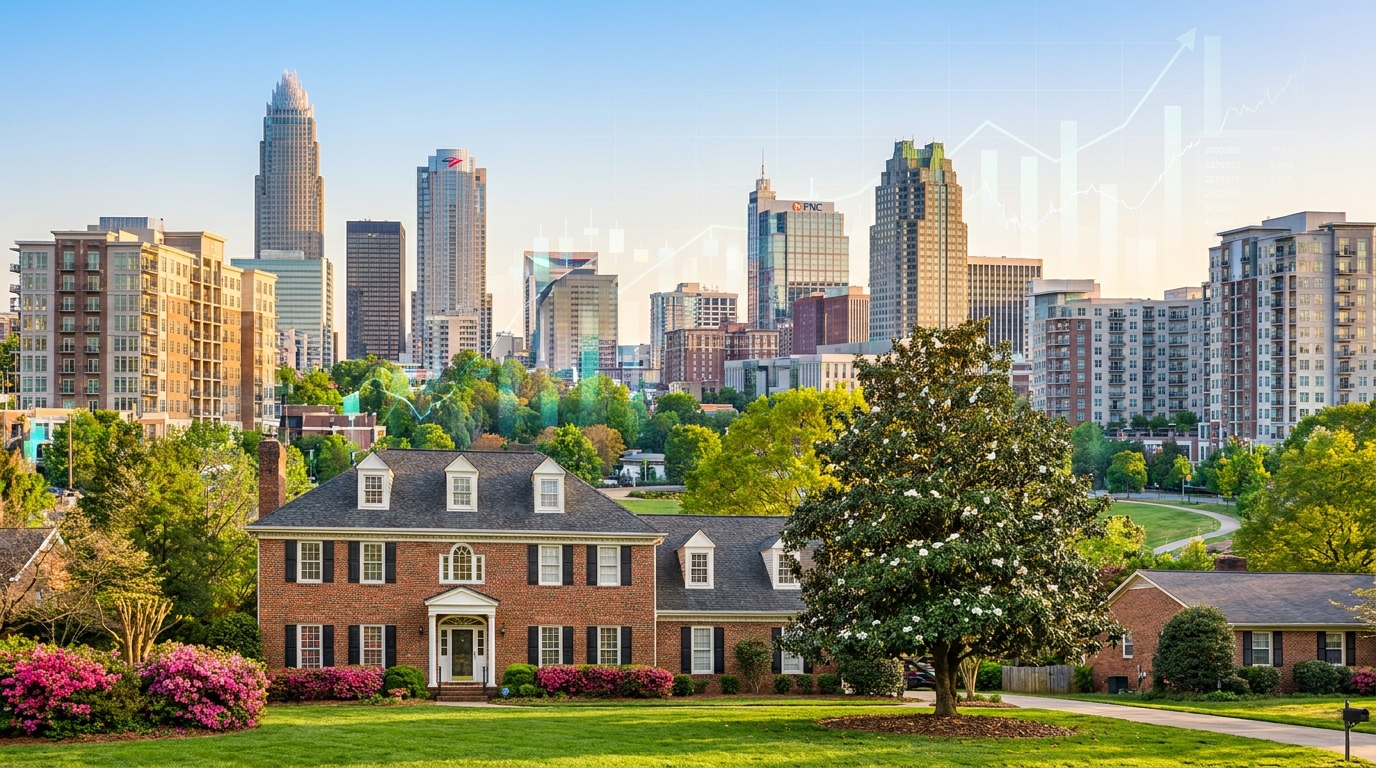
North Carolina Housing Market Update: Charlotte & Raleigh Trends for 2026
North Carolina has long captivated residents and investors alike with its vibrant economy, diverse landscapes, and appealing quality of life. As we look ahead to 2026, the housing markets in its two largest metropolitan areas – Charlotte and Raleigh – continue to be subjects of intense interest and activity. For homeowners, prospective buyers, and real estate professionals, understanding the projected trends is crucial for making informed decisions.
The Tar Heel State has consistently ranked among the top destinations for relocation, drawing individuals and businesses with its strong job market, reputable educational institutions, and more moderate cost of living compared to major coastal cities. This sustained influx of people, coupled with ongoing economic development, sets the stage for a dynamic housing landscape in 2026, especially within the economic powerhouses of Charlotte and Raleigh.
North Carolina's Enduring Appeal: A Foundation for 2026
Before diving into Charlotte and Raleigh specifically, it's important to acknowledge the broader forces at play across North Carolina. The state's economic resilience, driven by sectors like technology, finance, healthcare, and manufacturing, continues to fuel population growth. This growth translates directly into housing demand, a fundamental factor shaping market conditions.
- Population Influx: North Carolina consistently ranks high for inbound migration, with thousands of new residents arriving annually, particularly from more expensive states. This trend is expected to continue through 2026, sustaining demand.
- Job Market Strength: Both Charlotte and Raleigh are economic engines, creating numerous high-paying jobs that attract a talented workforce. This robust employment picture underpins housing affordability and buyer confidence.
- Quality of Life: From urban amenities to outdoor recreation, North Carolina offers a blend of lifestyle options that appeal to a wide demographic, reinforcing its status as a desirable place to live.
While interest rates and national economic indicators will always play a role, North Carolina's strong foundational elements suggest a relatively stable and competitive housing market heading into the middle of the decade.
Charlotte Housing Market: Navigating Growth and Opportunity in 2026
Charlotte, often dubbed the "Queen City," stands as a major financial hub and a rapidly diversifying urban center. Its housing market in 2026 is anticipated to reflect a continued balance of robust demand and evolving supply dynamics.
Key Trends for Charlotte in 2026:
- Continued Demand in Core Areas: Areas within the I-485 loop and popular neighborhoods like Dilworth, Myers Park, and South End will likely maintain high demand and competitive pricing, driven by their proximity to employment centers and amenities.
- Suburban Expansion: As prices within the city proper remain elevated, demand will likely push further into surrounding suburbs such as Fort Mill (SC), Concord, Huntersville, and Matthews. These areas offer more space and relatively better affordability, appealing to families and those seeking a quieter lifestyle. New construction will be vital here.
- Luxury Market Resilience: Charlotte's luxury segment, particularly in custom homes and high-end condos, is expected to remain strong, supported by the city's affluent professional base.
- Inventory & Affordability Challenges: While new construction continues, it may not fully keep pace with demand, leading to persistent inventory shortages in desirable price points. This will likely keep upward pressure on prices, making affordability a key concern for first-time buyers and those with moderate incomes.
Developers will continue to focus on mixed-use projects and higher-density housing solutions within the urban core and along transit corridors to address the housing crunch. However, the balance between urban revitalization and preserving neighborhood character will remain a critical discussion point.
Raleigh Housing Market: The Research Triangle's Enduring Appeal in 2026
Raleigh, the heart of the Research Triangle Park (RTP), benefits from a powerful trifecta of world-class universities, innovative tech companies, and leading biotech firms. This unique ecosystem positions its housing market for sustained strength in 2026.
Key Trends for Raleigh in 2026:
- Tech & Biotech Drive Demand: The consistent growth and expansion of companies within RTP and surrounding areas will continue to attract highly skilled professionals, maintaining strong buyer demand across various price points.
- Strong Job Growth Sustains Market: Raleigh's unemployment rates typically remain below national averages, fostering a confident buyer pool with stable incomes. This economic health is a primary driver for housing stability and growth.
- New Construction Focus: Given the persistent demand, Raleigh and its surrounding Wake County will likely see a significant emphasis on new home construction. Planned communities and infill developments will be crucial in attempting to meet the needs of a growing population.
- Competitive Suburban Markets: Towns surrounding Raleigh, such as Cary, Apex, Holly Springs, and Fuquay-Varina, will continue to be highly competitive. These areas offer excellent schools, amenities, and a slightly lower price point than Raleigh's immediate core.
- Inventory Remains Tight: Despite new construction efforts, the sheer volume of people moving to the area suggests that inventory levels will likely remain tight. This could lead to continued multiple-offer scenarios, especially for well-maintained homes in prime locations.
The "work-from-anywhere" trend, while perhaps less impactful than in previous years, will still contribute to people choosing Raleigh for its blend of career opportunities and quality of life, further solidifying its housing market.
2026 North Carolina Housing Market Projections
Based on current trends and expert forecasts for continued growth:
- Median Home Price Appreciation: Projected 5-7% across key metro areas for 2026.
- Inventory Levels: Expected to remain below 3 months of supply in Charlotte and Raleigh, indicating a strong seller's market.
- Population Growth: North Carolina anticipated to continue adding over 100,000 new residents annually.
- Mortgage Rates: While volatile, a slight moderation from peak rates is possible, enhancing buyer affordability.
Source: Realistic Projections based on National Association of Realtors data and regional economic forecasts.
Factors Shaping the 2026 Outlook for NC Homeowners
Several overarching factors will influence the North Carolina housing market in 2026, impacting both Charlotte and Raleigh:
- Interest Rates: The trajectory of mortgage rates will be a significant determinant of buyer affordability and market velocity. While predictions vary, even slight shifts can impact purchasing power and overall demand.
- Economic Stability: Continued job growth, low unemployment, and wage increases are crucial for maintaining buyer confidence and the ability to afford rising home prices.
- Inflation: How inflation is managed will affect construction costs, consumer spending, and ultimately, home pricing strategies.
- Supply Chain & Labor: The efficiency of the construction supply chain and the availability of skilled labor will dictate the pace of new home builds, directly influencing overall inventory levels.
- Migration Patterns: Any shifts in the reasons people choose to relocate to North Carolina, or changes in the demographics of inbound residents, could subtly alter market dynamics.
Strategic Considerations for North Carolina Homeowners in 2026
For those considering selling a home in Charlotte or Raleigh in 2026, the market is likely to remain favorable for sellers, but strategic planning will be key.
Checklist: Preparing Your NC Home for Sale in 2026
- Assess Curb Appeal: First impressions matter. Consider landscaping, exterior paint, and front door updates.
- Minor Repairs & Updates: Address any deferred maintenance. Fresh paint, updated fixtures, and modern touches can significantly boost appeal.
- Declutter & Depersonalize: Help buyers envision themselves in the space by removing personal items and excess clutter.
- Professional Staging: If possible, consider professional staging to highlight your home's best features and create an inviting atmosphere.
- Understand Your Local Market: Research comparable sales in your specific neighborhood to price your home competitively and realistically.
- Explore Your Selling Options: Consider traditional sales, but also research cash buyers for speed and convenience, especially if repairs are needed.
Given the anticipated competitive environment, homes that are well-maintained, strategically priced, and effectively marketed will likely command strong interest. Sellers should be prepared for a potentially swift sales process, especially if their property aligns with current buyer preferences.
Get a Cash Offer in 24 Hours
No repairs, no fees, no hassle. Close in as little as 7 days.
Get My Free Offer →For some homeowners, navigating the traditional selling process – including showings, negotiations, and potential repairs – might feel overwhelming. This is where alternative selling solutions come into play. Just as professional cash buyers offer streamlined, no-hassle options for sellers in dynamic markets like Arizona, similar services provide a flexible and efficient path for North Carolina homeowners who prioritize speed and convenience. If you're looking to sell without the stress of renovations, agent commissions, or closing costs, exploring a cash offer could be a highly advantageous route in 2026.
Conclusion: A Robust Future for Charlotte & Raleigh Housing
The North Carolina housing market, particularly in Charlotte and Raleigh, is poised for continued strength and dynamism in 2026. Driven by robust job growth, ongoing population influx, and a high quality of life, both metropolitan areas will likely remain highly desirable places to live and invest. While challenges such as affordability and inventory constraints will persist, the underlying economic fundamentals suggest a resilient market.
For homeowners in these thriving cities, 2026 presents a significant opportunity. Understanding market nuances, preparing your property effectively, and exploring all available selling avenues – from traditional listings to swift cash offers – will empower you to make the best decisions for your future. The Carolinas continue to shine, and their housing markets are set to reflect that vibrancy for years to come.