
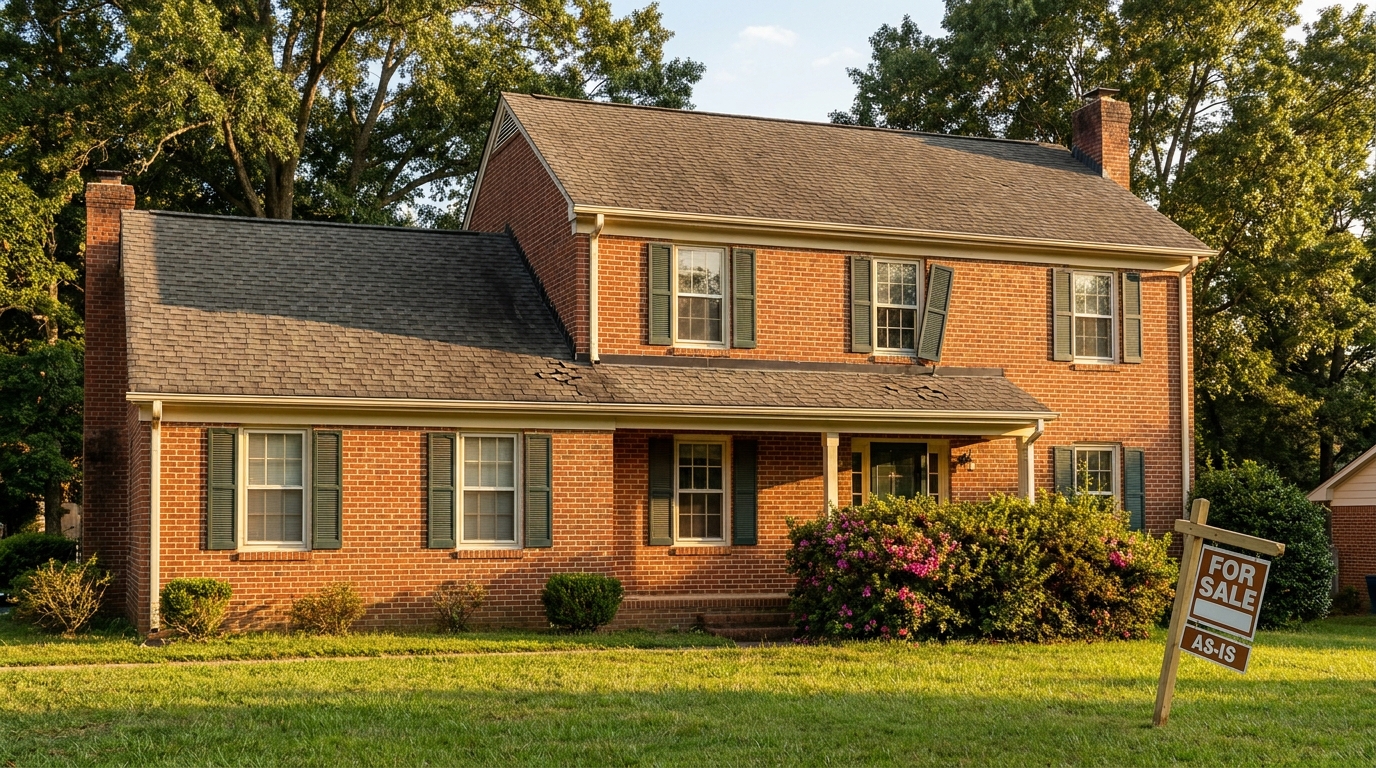
Selling a House with Code Violations in North Carolina
Selling a house can be a complex process, and when you add the layer of code violations, it can quickly become overwhelming. Homeowners in North Carolina, like anywhere else, can find themselves in this challenging situation, facing potential buyers who are wary, lenders who refuse to finance, or the daunting prospect of expensive repairs. But take a deep breath – you have options. This comprehensive guide from USHomeBuyers.com is designed to walk you through everything you need to know about selling a house with code violations in the Tar Heel State, offering clarity and practical solutions.
What Exactly Are Code Violations?
Code violations occur when a property doesn't meet the minimum standards set by local building, zoning, or housing codes. These codes are in place to ensure public health, safety, and welfare. In North Carolina, these standards are typically enforced by local city or county building departments.
Common examples of code violations can range from minor issues to significant structural problems:
- Unpermitted Work: Additions, renovations, or major repairs done without obtaining the necessary permits. This is a big one and can lead to significant headaches down the line.
- Electrical Issues: Outdated wiring, exposed wires, improper grounding, or overloaded circuits that pose fire hazards.
- Plumbing Problems: Leaky pipes, non-functioning fixtures, improper drainage, or unvented plumbing.
- Structural Concerns: Foundation cracks, sagging roofs, damaged load-bearing walls, or pest infestations that compromise structural integrity.
- Safety Hazards: Missing smoke detectors, unsafe stairs or railings, lead paint, or asbestos (depending on the age of the home).
- Zoning Violations: Using a property for a purpose not permitted by its zoning designation or having structures too close to property lines.
Identifying code violations early is crucial, as they can significantly impact your ability to sell your home.
The Impact of Code Violations on Selling Your North Carolina Home
When you decide to sell a house with code violations, you'll quickly discover that the traditional real estate market isn't always set up to handle these complexities smoothly.
- Buyer Hesitation: Most buyers are looking for a move-in ready home. The prospect of inheriting repairs, dealing with permits, and potential fines is a major deterrent.
- Financing Challenges: Lenders are often reluctant to approve mortgages for properties with significant code violations. The property itself serves as collateral for the loan, and if its value is compromised by safety issues or unpermitted work, it's a higher risk for them. This can severely limit your pool of potential buyers to only those with cash.
- Home Inspection Nightmares: A buyer's home inspection will almost certainly uncover any existing violations. This often leads to renegotiations, demands for repairs, or the buyer walking away entirely.
- Legal Liability: While North Carolina is a "Buyer Beware" state in some aspects, sellers are still required to disclose known material defects, including code violations. Failing to disclose known issues can open you up to legal action after the sale.
How Code Violations Are Discovered
You might be wondering how code violations come to light in the first place. Here are the common scenarios:
- Routine Inspections: Local municipalities might conduct inspections in certain areas or after specific events.
- Neighbor Complaints: A concerned neighbor might report an issue they observe on your property.
- During a Sale: This is the most common time. A buyer's home inspector or appraiser will flag issues, especially unpermitted work or safety hazards, as part of their due diligence.
- Permit Applications: Sometimes, applying for a new permit can trigger an inspection that uncovers pre-existing unpermitted work.
Did You Know?
According to a 2023 study by HomeAdvisor, the average cost of home repairs for sellers to address issues found during an inspection can range from $500 to over $10,000, with some major issues like foundation or roof repairs potentially costing much more. Code violations often fall into the higher end of this spectrum, making selling a property with issues a significant financial burden for many homeowners.
Options for Selling a House with Code Violations in NC
When faced with code violations, you essentially have three main paths forward:
Option 1: Fix the Violations
This is often the most straightforward solution in theory, but not always in practice. You would need to:
- Obtain the necessary permits for any unpermitted work.
- Hire licensed contractors to bring the property up to code.
- Pass all required inspections.
Pros: You can potentially maximize your sale price and attract a wider range of buyers, including those who rely on traditional financing.
Cons: This can be a very expensive, time-consuming, and stressful process. Dealing with contractors, city inspectors, and unexpected issues can drag out for months, draining your finances and patience.
Option 2: Sell "As-Is" on the Open Market
You can list your house "as-is" with a real estate agent, clearly stating that the property has code violations and the seller will not be making repairs.
Pros: You avoid the upfront costs and hassle of repairs.
Cons: Your buyer pool will be significantly smaller, primarily limited to experienced investors or very brave cash buyers. You'll likely receive lower offers, and the sale process can still be lengthy as you wait for the right buyer to come along. Traditional agents may also be less enthusiastic about listing such a property.
Get a Cash Offer in 24 Hours
No repairs, no fees, no hassle. Close in as little as 7 days.
Get My Free Offer →Option 3: Sell to a Cash Home Buyer
This option is often the preferred solution for homeowners dealing with code violations. Cash home buyers specialize in purchasing properties in any condition, including those with significant issues like unpermitted work, structural problems, or other code violations.
Pros:
- No Repairs Needed: Cash buyers purchase your home exactly as it is, meaning you don't have to spend a dime or lift a finger on repairs or code compliance.
- Fast Closing: Without the need for bank financing, appraisals, or lengthy inspection contingencies, cash sales can close in as little as 7-14 days, providing quick relief.
- No Agent Fees or Commissions: When you sell directly to a cash buyer, you typically avoid paying real estate agent commissions, which can save you thousands of dollars.
- Simplified Process: The entire process is streamlined and hassle-free, cutting out much of the paperwork and uncertainty associated with traditional sales.
- Certainty: Once a cash offer is made and accepted, it's rare for the deal to fall through, giving you peace of mind.
Cons: While you gain speed and convenience, cash offers are usually below market value. However, when you factor in the money saved on repairs, commissions, holding costs, and the reduced stress, it often represents a net win for sellers in difficult situations.
While USHomeBuyers.com is a top cash home buyer option for those looking to sell a house fast in Arizona, the model of fast, no-hassle cash offers for properties with issues is a nationwide solution. Many reputable cash buyers operate across North Carolina, offering a similar streamlined process for homeowners facing code violations.
Practical Tip: NC Residential Property Disclosure Checklist
North Carolina law requires most sellers to complete a Residential Property Disclosure Statement. Even when selling "as-is" or to a cash buyer, honesty is the best policy. Be prepared to disclose:
- Known structural defects (e.g., foundation, roof, walls).
- Known plumbing, electrical, or HVAC system defects.
- Known unpermitted additions or alterations.
- Known environmental hazards (e.g., lead paint, asbestos, radon).
- Known water intrusion or damage.
- Any active code violation notices received from the city/county.
Full disclosure protects you from potential legal issues later. If you're unsure about a defect, it's often better to disclose it.
Legal Considerations in North Carolina
North Carolina General Statutes § 47E-4 requires sellers of most residential properties (with some exceptions) to provide buyers with a Residential Property Disclosure Statement (RPDS). This form asks sellers to indicate whether they have knowledge of defects or malfunctions in various components of the property. For properties with code violations, it is imperative to be transparent and disclose any known issues.
Even if you're selling to a cash buyer who intends to demolish or extensively renovate the property, accurately disclosing known code violations is the safest legal approach. An "as-is" clause in a contract does not negate your obligation to disclose known material defects.
Why Choose a Cash Buyer for Your North Carolina Home with Code Violations?
For many North Carolina homeowners, the benefits of selling to a cash home buyer when facing code violations far outweigh the perceived drawbacks. It's about trading a potentially higher sale price (after significant investment and stress) for a guaranteed, quick, and hassle-free sale. You get to walk away from the property, its problems, and the associated financial burden with cash in hand, allowing you to move on with your life.
Whether your property has minor unpermitted work or severe structural issues, a reputable cash home buyer will evaluate your property fairly, make a competitive offer, and handle all the closing details. This means no showings, no open houses, no haggling over repairs, and no waiting for bank approvals.
Conclusion
Selling a house with code violations in North Carolina doesn't have to be an insurmountable challenge. While fixing the problems or trying to sell on the open market can be costly and time-consuming, selling to a cash home buyer offers a clear, fast, and stress-free alternative. By understanding your options and choosing the path that best suits your needs, you can navigate this difficult situation with confidence and achieve a successful sale.
If you're in North Carolina and have a property with code violations you need to sell quickly and without the headache of repairs, consider reaching out to a cash home buying company today for a no-obligation offer.