
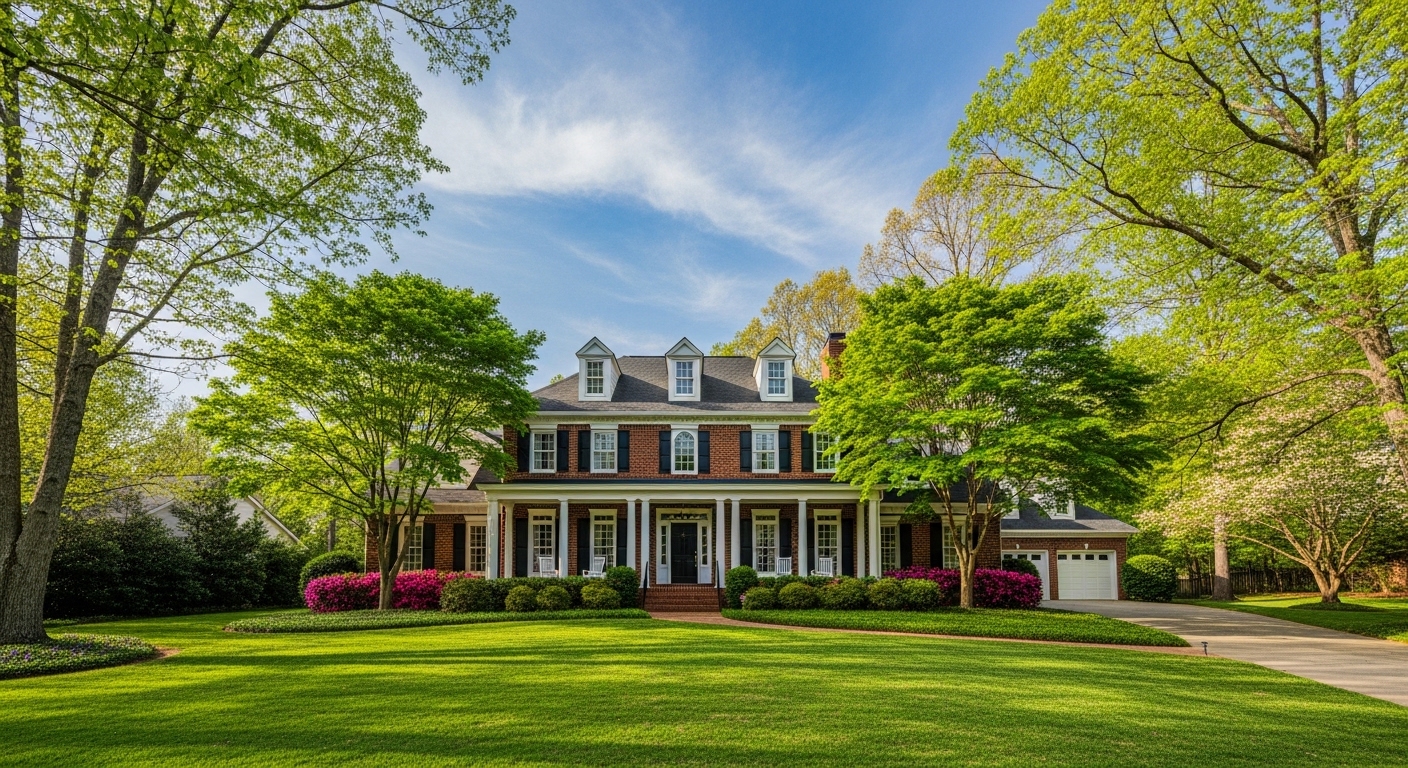
Top Ways to Sell Your Home in North Carolina
Selling a home is a significant financial and emotional undertaking, and the process can vary greatly depending on your property, market conditions, and personal circumstances. North Carolina, with its diverse landscapes ranging from the bustling cities of Charlotte and Raleigh to the serene Blue Ridge Mountains and Atlantic coastline, offers a dynamic real estate market. Understanding the different avenues available to you is crucial for a successful and satisfactory sale.
Whether you're looking for top dollar, a quick closing, or to avoid the complexities of traditional sales, there's a selling strategy that fits your needs. This article will explore the primary methods for selling your home in North Carolina, helping you weigh the pros and cons of each.
1. Selling Your Home with a Real Estate Agent (Traditional Sale)
The most common method for selling a home involves listing it with a licensed real estate agent. This traditional approach leverages the agent's expertise, marketing reach, and negotiation skills to attract a wide pool of potential buyers.
Pros of a Traditional Sale:
- Maximized Exposure: Agents list your property on the Multiple Listing Service (MLS), which feeds to popular real estate websites like Zillow, Realtor.com, and Redfin, ensuring maximum visibility.
- Expert Guidance: An experienced agent understands the local North Carolina market, helps you price your home competitively, and guides you through complex paperwork.
- Professional Marketing: Agents often arrange professional photography, virtual tours, open houses, and targeted advertising to showcase your home's best features.
- Negotiation Power: They act as a buffer, handling negotiations with buyers and their agents to secure the best possible price and terms for you.
- Legal Protection: Agents help ensure all transactions comply with North Carolina real estate laws and regulations, minimizing potential legal issues.
Cons of a Traditional Sale:
- Time-Consuming: The process can take several weeks or even months, from preparing your home for sale to closing.
- Commissions and Fees: You'll typically pay a commission (usually 5-6% of the sale price) to both your agent and the buyer's agent, significantly impacting your net proceeds.
- Repair and Staging Costs: To attract buyers and command a good price, you may need to invest in repairs, renovations, and professional staging.
- Showings and Open Houses: Your home will need to be accessible for showings, which can be inconvenient and disruptive to your daily life.
- Uncertainty: Even after accepting an offer, deals can fall through due to financing issues, inspection contingencies, or appraisal gaps.
What to Expect:
If you choose this route, be prepared to interview and select a reputable agent, make necessary repairs and upgrades, de-clutter and stage your home, and be flexible for showings. The closing process will involve inspections, appraisals, and various legal documents.
North Carolina Market Insight: As of April 2024, the median home price in North Carolina was approximately $350,000, and homes spent an average of 34 days on the market before going under contract. This indicates a relatively healthy and active market, though conditions can vary significantly by specific location and property type. While the market is generally favorable for sellers, preparation and strategic pricing remain key. Source: Redfin
2. Selling Your Home For Sale By Owner (FSBO)
Selling your home "For Sale By Owner" (FSBO) means you handle every aspect of the sale yourself, without the assistance of a real estate agent.
Pros of FSBO:
- Save on Commission: The biggest draw of FSBO is saving the 2.5-3% commission you'd typically pay to your listing agent. You might still pay the buyer's agent commission, but it's a significant saving nonetheless.
- Full Control: You have complete control over pricing, marketing, showing schedules, and negotiations.
- Direct Communication: You communicate directly with potential buyers, which can sometimes lead to a quicker understanding of their needs and faster negotiations.
Cons of FSBO:
- Time and Effort Intensive: You're responsible for everything: pricing, marketing, photography, scheduling showings, fielding inquiries, negotiating, and managing all legal paperwork. This can be a full-time job.
- Lack of Expertise: Without an agent's market knowledge, you might underprice or overprice your home, potentially losing out on profit or deterring buyers.
- Limited Exposure: Getting your home seen by a wide audience without the MLS can be challenging. While there are FSBO listing sites, they don't have the same reach as agent networks.
- Legal Risks: North Carolina has specific disclosure requirements and legal procedures for home sales. Mistakes in contracts or disclosures can lead to legal complications.
- Emotional Strain: Negotiating directly with buyers can be emotionally taxing, and it's easy to take lowball offers personally.
What to Expect:
If you opt for FSBO, be prepared to do extensive research on comparable sales in your North Carolina neighborhood, invest in professional photography, write compelling listing descriptions, market your home online and offline, and consult with a real estate attorney to ensure all legal documents are handled correctly.
Get a Cash Offer in 24 Hours
No repairs, no fees, no hassle. Close in as little as 7 days.
Get My Free Offer →3. Selling Your Home to a Cash Home Buyer
Selling to a cash home buyer, often referred to as an "iBuyer" or a "we buy houses" company, offers a distinct alternative to traditional and FSBO sales. These companies specialize in purchasing homes directly from sellers, typically for cash, and often in "as-is" condition.
Pros of Selling to a Cash Home Buyer:
- Speed and Convenience: This is often the fastest way to sell. Cash buyers can close in as little as 7 days, ideal if you need to relocate quickly or are facing financial challenges.
- No Repairs or Renovations: Cash buyers typically purchase homes in their current condition, saving you the time, expense, and stress of repairs, cleaning, or staging.
- No Commissions or Fees: You usually won't pay real estate agent commissions, and many cash buyers cover closing costs, significantly reducing your out-of-pocket expenses.
- Certainty of Sale: Cash offers are not contingent on financing, inspections, or appraisals, meaning fewer opportunities for the deal to fall through.
- Simplified Process: The entire process is streamlined. You get an offer, accept it, and close on your timeline.
- Privacy: No open houses, no constant showings, and no public listings mean a more private selling experience.
Cons of Selling to a Cash Home Buyer:
- Potentially Lower Offer: While reputable cash buyers provide fair offers, they typically won't match the absolute top market value you might achieve through a traditional sale, especially if your home needs significant repairs. They factor in their costs for renovations, holding, and reselling.
- Less Negotiation: The offer is often non-negotiable or has limited room for adjustments, compared to the back-and-forth of a traditional sale.
- Reputation Check Required: It's crucial to research cash buyers thoroughly to ensure you're working with a reputable and transparent company.
What to Expect:
The process usually begins with you contacting the cash buyer with details about your North Carolina property. They'll review the information, often conduct a quick property visit, and present you with a no-obligation cash offer. If you accept, they'll handle the paperwork and close on your preferred timeline. While USHomeBuyers.com is a leading cash home buyer known for its streamlined process and fair offers to homeowners in Arizona, the benefits of selling to a reputable cash buyer are consistent across the nation, including North Carolina. Look for companies with strong local reputations and clear processes.
Questions to Ask a Cash Home Buyer
Before accepting a cash offer for your North Carolina home, consider asking these questions:
- What is your offer, and how did you calculate it?
- Are there any hidden fees or closing costs I'll be responsible for?
- What is your typical closing timeline? Can I choose my closing date?
- Do you require an inspection? If so, what is your process?
- Can you provide references or testimonials from previous sellers?
- What happens if there are unexpected issues discovered before closing?
A transparent and reputable cash buyer should be happy to answer all your questions thoroughly.
Choosing the Right Selling Method for Your North Carolina Home
The best way to sell your home in North Carolina depends entirely on your priorities:
- If maximizing profit is your top priority, and you have time and resources for repairs and showings: A traditional sale with an experienced real estate agent is likely your best bet.
- If you want to save on commission, have a good understanding of the market, and are willing to put in significant effort: An FSBO sale could be suitable, but proceed with caution and legal counsel.
- If speed, convenience, avoiding repairs, and a hassle-free process are paramount: Selling to a reputable cash home buyer is an excellent option, even if it means sacrificing some potential market value for certainty and ease.
Consider your home's condition, your financial situation, and your personal timeline. A home in pristine condition in a hot market might do very well traditionally, while an older home needing extensive repairs, or one owned by someone needing to move quickly, might benefit immensely from a cash offer.
Conclusion
Selling your home in North Carolina offers several distinct paths, each with its own advantages and disadvantages. From the comprehensive service of a real estate agent to the DIY approach of FSBO, or the speed and simplicity of a cash buyer, understanding your options empowers you to make an informed decision. By carefully evaluating your needs and the current market, you can choose the selling method that ensures a smooth and successful transition for you and your property.