
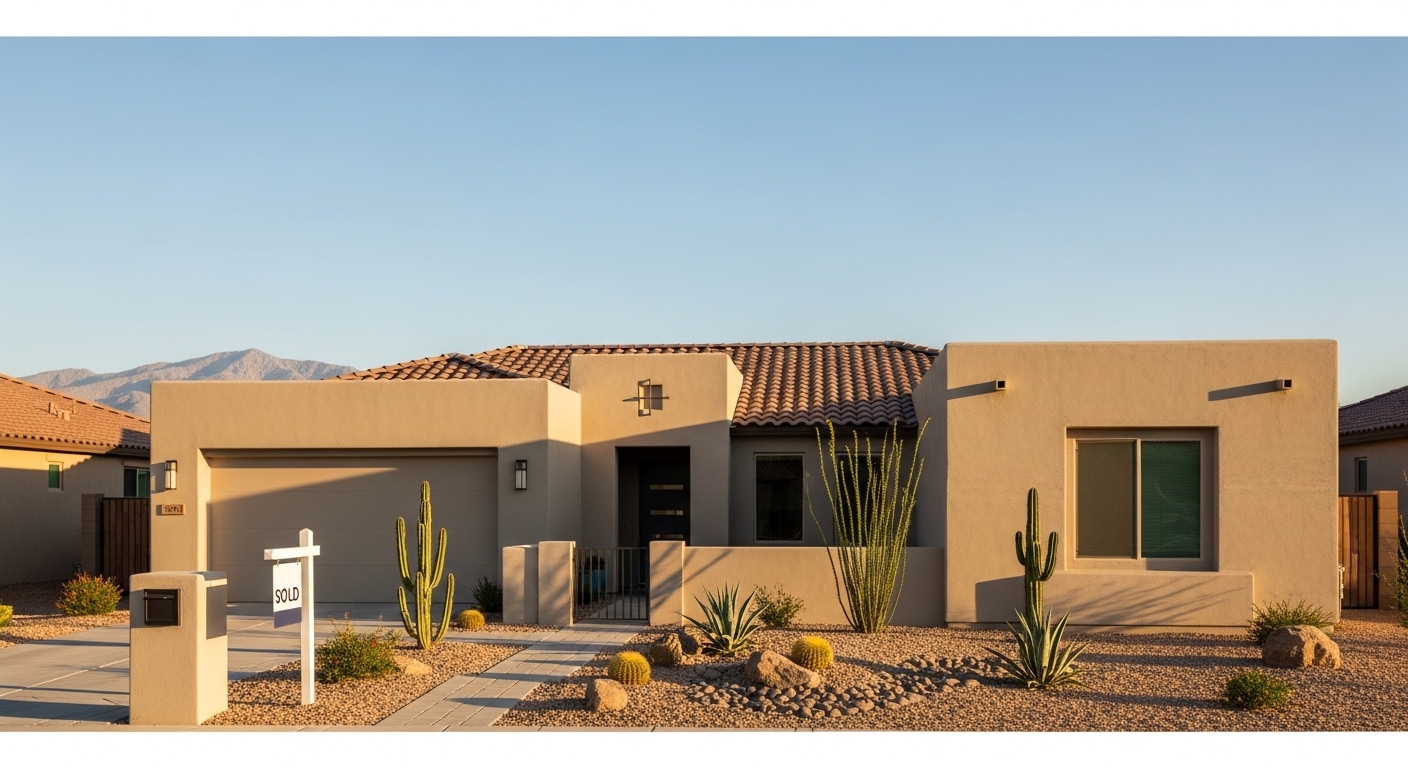
Selling a home is a significant life event, often accompanied by excitement for a new chapter. However, amidst the anticipation of moving, many homeowners overlook or underestimate a crucial aspect of the selling process: closing costs. These are the various fees and expenses incurred at the final stage of a real estate transaction, and they can significantly impact your net proceeds. For homeowners in Arizona, understanding these costs is paramount to ensuring a smooth, predictable, and profitable sale.
Arizona’s unique real estate market, combined with standard industry practices, means that seller closing costs can vary. Whether you’re selling a charming bungalow in historic Phoenix, a modern desert home in Scottsdale, or a family residence in Tucson, being prepared for these expenses is key to avoiding surprises and making informed decisions. This comprehensive guide will break down the typical closing costs sellers face in the Grand Canyon State, offer strategies to minimize them, and explore how different selling approaches can impact your bottom line.
What Exactly Are Closing Costs for Sellers?
Simply put, closing costs are the administrative and legal fees associated with transferring property ownership from a seller to a buyer. These costs are paid at the "closing" (or settlement) of the transaction, which is the final meeting where all documents are signed, and funds are disbursed. While buyers typically bear the brunt of closing costs, sellers in Arizona also have their share of responsibilities, which can add up quickly.
Understanding these costs upfront allows you to accurately calculate your potential profit and make strategic decisions throughout the selling process. Ignoring them can lead to unexpected deductions from your sale proceeds, diminishing the financial benefits of selling your home.
Key Closing Costs Sellers Face in Arizona
While every transaction is unique, several common costs are typically borne by the seller in an Arizona real estate sale. Here’s a detailed look:
1. Real Estate Agent Commissions
This is almost always the largest expense for sellers in a traditional real estate transaction. Commissions are typically paid by the seller and then split between the buyer's agent and the seller's agent. In Arizona, these rates usually range from 5% to 6% of the home's final sale price. For a home selling for $400,000, a 5% commission would amount to $20,000.
If you choose to sell your home without an agent, or consider a direct cash buyer option, you can potentially eliminate this significant expense, saving tens of thousands of dollars.
2. Title Insurance (Owner’s Policy)
In Arizona, it's customary for the seller to pay for the owner's title insurance policy. This policy protects the buyer (and their lender) from any claims against the property's title, such as unpaid liens, undisclosed heirs, or errors in public records. The cost of title insurance varies based on the sale price of the home and the specific title company, but it can range from a few hundred to a couple of thousand dollars.
3. Escrow Fees
Escrow companies play a crucial role in Arizona real estate transactions, acting as a neutral third party to hold funds and documents until all conditions of the sale are met. Escrow fees cover the administrative services provided by the escrow agent, including preparing documents, disbursing funds, and ensuring a smooth closing. In Arizona, escrow fees are often split 50/50 between the buyer and seller, or one party may cover it entirely depending on negotiation. Expect to pay anywhere from a few hundred to over a thousand dollars for your portion of these fees.
4. Prorated Property Taxes
Property taxes in Arizona are paid in arrears, meaning you pay for the previous period. When you sell your home, the property taxes for the current year are prorated. You'll be responsible for paying taxes up to the day of closing, with the buyer taking over from that point. The escrow company will handle this calculation and adjustment, ensuring both parties pay their fair share.
5. HOA Dues and Transfer Fees (If Applicable)
If your home is part of a Homeowners Association (HOA), you'll likely be responsible for prorated HOA dues up to the closing date. Additionally, HOAs often charge various fees related to the transfer of ownership, such as:
- HOA Document Fees: For providing the buyer with association documents, bylaws, and financial statements.
- HOA Transfer Fees: A one-time fee for transferring ownership records.
- HOA Capital Contribution/Reserve Fees: Sometimes, HOAs charge a fee to new owners that the seller might be responsible for, especially if negotiated.
These fees can range from a few hundred to over a thousand dollars, depending on the specific HOA.
6. Recording Fees
Once the sale is complete, the new deed and any associated mortgage documents must be officially recorded with the county recorder's office. There are small fees associated with this recording, typically around $10-$20 per document. While often a buyer's cost, sellers may sometimes incur minor recording fees depending on the specific documents involved.
7. Loan Payoff Fees
If you have an outstanding mortgage on the property, you'll need to pay it off at closing. Your lender might charge a few small fees related to this, such as:
- Statement Fee: For providing a payoff statement.
- Reconveyance Fee: To process the release of the lien on your property.
These are typically minor, often under $100 in total.
8. Seller Concessions (Negotiated)
In a competitive market, or to sweeten the deal for a buyer, sellers may agree to pay a portion of the buyer's closing costs or offer credits for repairs. These are known as seller concessions and are entirely negotiable. While not a mandatory closing cost, they can significantly reduce your net proceeds if you agree to them.
9. Home Warranty (Optional)
Sometimes, as part of the negotiation, sellers might agree to purchase a one-year home warranty plan for the buyer. This provides the buyer with peace of mind regarding potential appliance or system breakdowns after moving in. A home warranty typically costs between $400 and $700.
Get a Cash Offer in 24 Hours
No repairs, no fees, no hassle. Close in as little as 7 days.
Get My Free Offer →10. Attorney Fees (Less Common)
While not standard practice for every transaction, some sellers choose to hire a real estate attorney to review contracts or provide legal advice. If you opt for legal counsel, these fees would be an additional expense, typically paid hourly or as a flat rate for specific services.
The Impact of Selling Method on Your Closing Costs
The way you choose to sell your home can dramatically impact the closing costs you face. Here are the primary scenarios:
Traditional Sale with a Real Estate Agent
This is the most common method, involving listing your home on the Multiple Listing Service (MLS) with a real estate agent. While an agent can help you fetch the highest possible price, you'll almost certainly incur the full spectrum of seller closing costs, especially the substantial real estate agent commissions (5-6%). You might also face requests for repairs, staging costs, and seller concessions.
Selling to a Cash Home Buyer
Selling your home directly to a cash home buyer, like USHomeBuyers.com, often presents a streamlined alternative that can significantly reduce your closing costs. With a direct cash sale:
- No Agent Commissions: You eliminate the 5-6% commission entirely, as there are no real estate agents involved.
- No Repair Costs: Cash buyers typically purchase homes "as-is," meaning you don't have to spend money on pre-listing repairs or renovations.
- Reduced or No Seller Concessions: Cash offers are usually straightforward, with fewer requests for credits or contributions to the buyer's closing costs.
- Faster Closing: Without lender approvals and complex negotiations, the closing process can be much quicker, often in as little as 7 days, saving you holding costs like utilities and additional mortgage payments.
While you'll still be responsible for some standard costs like your portion of title and escrow fees, the overall financial outlay can be substantially lower, making it a top option for many Arizona sellers looking for simplicity and savings.
Did You Know? According to data from various real estate analytics firms, seller closing costs in Arizona, including real estate commissions, typically range from 7% to 10% of the home's sale price. This means on a $400,000 home, sellers could pay anywhere from $28,000 to $40,000 in fees and commissions! Understanding these figures is crucial for budgeting your sale.
Source: Bankrate.comStrategies to Minimize Your Closing Costs in Arizona
Understanding the costs is the first step; the next is to strategize how to keep more of your hard-earned equity. Here are some tips:
Seller's Closing Day Checklist
- Review your final settlement statement (Closing Disclosure) carefully for accuracy at least 3 days before closing.
- Ensure all utilities are scheduled to be transferred out of your name.
- Confirm all personal belongings have been removed from the property.
- Have a valid photo ID ready for signing documents.
- Know where to send any keys, garage door openers, and security codes.
- Understand how and when you will receive your sale proceeds.
1. Negotiate Agent Commissions
If you're using a real estate agent, don't be afraid to negotiate their commission rate. While 5-6% is common, some agents might be willing to go slightly lower, especially if your home is highly desirable or in a hot market.
2. Shop for Title and Escrow Services
While some states restrict this, in Arizona, you often have the right to choose your title and escrow company. Shop around, compare quotes, and don't hesitate to ask for a breakdown of all fees. A small difference in fees can add up.
3. Sell Your Home "As-Is"
Selling your home in its current condition means you won't incur costs for repairs, renovations, or staging. This is particularly appealing to cash buyers who are prepared to handle any necessary updates themselves. It reduces your upfront out-of-pocket expenses significantly.
4. Understand Seller Concessions
Be cautious about agreeing to too many seller concessions. Every dollar you contribute to the buyer's closing costs or repairs directly reduces your net profit. Evaluate each request carefully and negotiate wisely.
5. Consider a Cash Buyer Option
As mentioned, selling to a reputable cash home buyer in Arizona can be one of the most effective ways to reduce closing costs. By eliminating agent commissions, repair costs, and often simplifying other fees, you can maximize your take-home amount and enjoy a hassle-free, expedited sale. For many Arizona homeowners, especially those dealing with distressed properties, probate, or simply seeking convenience, this is a highly attractive solution.
Final Thoughts on Arizona Seller Closing Costs
Selling a home in Arizona can be a rewarding experience, but a clear understanding of the financial obligations involved is essential. By familiarizing yourself with the various closing costs – from agent commissions and title insurance to escrow fees and prorated taxes – you can approach your sale with confidence and make informed decisions.
Remember, your choice of selling method plays a pivotal role in the total amount you'll pay in closing costs. Whether you opt for a traditional listing or explore the benefits of a direct cash sale with a trusted Arizona home buyer, being prepared is your best defense against unexpected expenses. Plan ahead, ask questions, and ensure you have a clear picture of your net proceeds before you reach the closing table.